
What is Native Advertising?
In the new world of content – the world where all organizations get to produce it – jargon is plentiful. Phrases such as corporate journalism, vendor content, brand publishing and custom content are everywhere.
But where does native advertising play in this mix?
Put simply, native advertising is a sub-set of the catch-all content marketing, meaning the practice of using content to build trust and engagement with would-be customers.
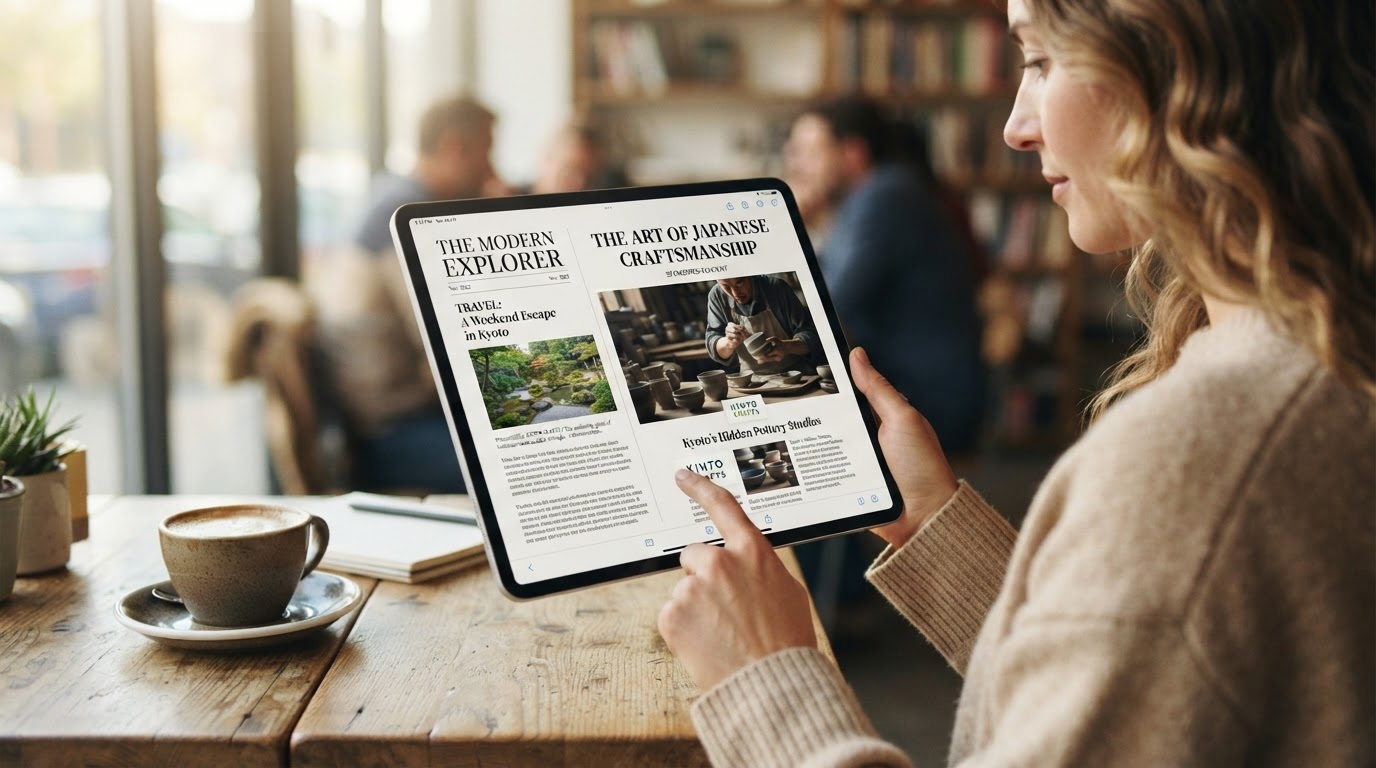
Native advertising can be a promoted tweet on Twitter, suggested post on Facebook or one of those full-page ads between Flipboard pages, but more commonly it's about how brands now work with online publications to reach people.
They’ve long done so, of course, through display advertisements and various other promotions.
The difference between display ads online – the square MPU units, leader-board that straddle the top of pages and several other industry-standard formats – and native ads is that the latter is in the flow of editorial content.
Native Advertising, in a nutshell, is ad’s you create and try and make viral.
Should you use it?
According to research from IPG media lab, native ads are viewed for the same amount of time as editorial content and is much more likely to be shared than a banner ad (32% versus 19% of respondents said they would do so).
But isn’t sponsored content the same thing? To many people, yes, they’re interchangeable. However, Reuters’ Felix Salmon has sketched out what he calls the native matrix as he has tried to formalism what different terms mean.
Advertisement
The difference between sponsored content and native ads, he contends, is that “native content tends to aspire more to going viral” and generally being shared more.
And just to drive the point home
John Oliver explains everything you need to know about Native Advertising. He isn’t trying to scare you or tell you somethings wrong; he is just educating you!
Source: Tony Hallett
Building a Social Presence That Actually Converts
Here is the thing about social media: having a profile is not the same as having a strategy. Plenty of businesses post randomly, cross their fingers, and wonder why nothing happens. The accounts that actually grow are the ones with a plan behind them.
Start by figuring out who you're trying to reach and where they already hang out online. Once you know that, you can focus your energy instead of spreading yourself thin across every platform. Consistency matters more than volume, and a few well-timed posts will outperform a dozen rushed ones every time.
don't forget to actually talk to people. Reply to comments, ask questions, and share content that's useful, not just promotional. Social platforms reward genuine interaction, and so do the customers on the other end of the screen.
Measuring What Is Working
If you can't tell whether your efforts are paying off, you're flying blind. Keep an eye on the basics: engagement, reach, and the traffic that actually clicks through to your site. Those numbers tell you what's resonating so you can double down on what works and drop what doesn't.
Social media is a marathon, not a sprint. Stick with it, adjust as you learn, and you'll build an audience that sticks around for the long haul.
Ready to get your business online?
1 Day Website Utah has been helping Utah businesses build fast, high-converting websites since 2014. Let's talk about yours.